Chapter 1
Introduction to Flight Training
The importance of, and the proper techniques for, visual scanning should be taught at the very beginning of flight training. The competent flight instructor should be familiar with the visual scanning and collision avoidance information contained in AC 90-48, Pilots’ Role in Collision Avoidance, and the Aeronautical Information Manual (AIM).
There are many different types of clearing procedures. Most are centered around the use of clearing turns. The essential idea of the clearing turn is to be certain that the next maneuver is not going to proceed into another aircraft’s flightpath. Some pilot training programs have hard and fast rules, such as requiring two 90° turns in opposite directions before executing any training maneuver. Other types of clearing procedures may be developed by individual flight instructors. Whatever the preferred method, the flight instructor should teach the beginning learner an effective clearing procedure and insist on its use. The learner should execute the appropriate clearing procedure before all turns and before executing any training maneuver. Proper clearing procedures, combined with proper visual scanning techniques, are the most effective strategy for collision avoidance.
In case of pilot incapacitation, an installed Emergency Autoland (EAL) system may take control of an airplane, navigate to an airport, and land without additional human intervention. Currently, these systems take no evasive action in response to potential impact with another aircraft, although they transmit over the radio. Pilots should avoid the path of any aircraft under the control of an EAL or suspected as under the control of an EAL system. The Emergency Procedures chapter in this handbook contains additional information about these systems.
Runway Incursion Avoidance
A runway incursion is any occurrence at an airport involving an aircraft, vehicle, person, or object on the ground that creates a collision hazard or results in a loss of separation with an aircraft taking off, landing, or intending to land. The three major areas contributing to runway incursions are communications, airport knowledge, and flight deck procedures for maintaining orientation. [Figure 1-12]
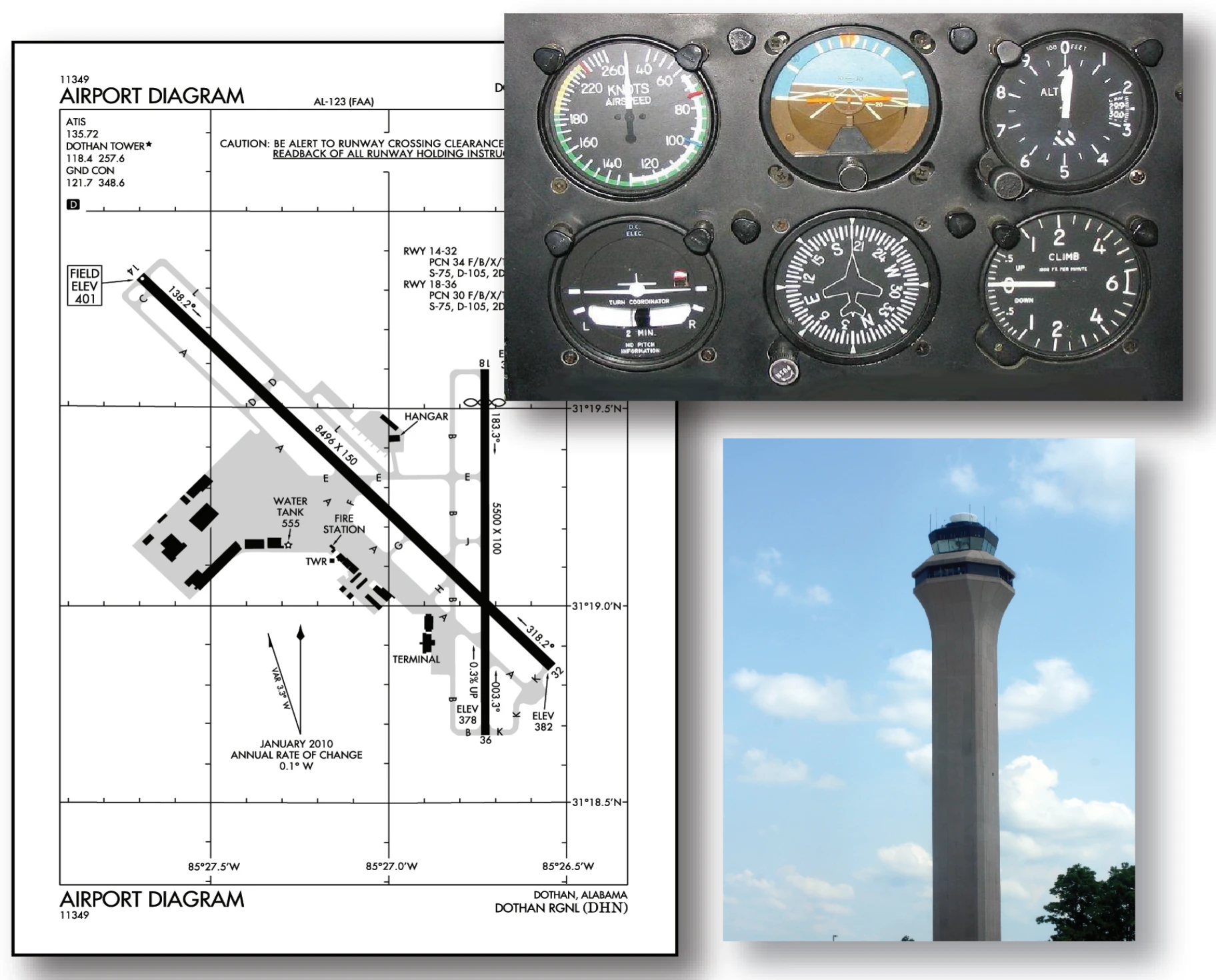
Taxi operations require constant vigilance by the entire flight crew, not just the pilot taxiing the airplane. During flight training, the instructor should emphasize the importance of vigilance during taxi operations. Both the learner and the flight instructor need to be continually aware of the movement and location of other aircraft and ground vehicles on the airport movement area. Many flight training activities are conducted at non-tower controlled airports. The absence of an operating airport control tower creates a need for increased vigilance on the part of pilots operating at those airports. [Figure 1-13]

Planning, clear communications, and enhanced situational awareness during airport surface operations reduces the potential for surface incidents. Safe aircraft operations can be accomplished and incidents eliminated if the pilot is properly trained early on and throughout their flying career on standard taxi operating procedures and practices. This requires the development of the formalized teaching of safe operating practices during taxi operations. The flight instructor is the key to this teaching. The flight instructor should instill in the learner an awareness of the potential for runway incursion, and should emphasize the runway incursion avoidance procedures. For more information and a list of additional references, refer to Chapter 14 of the Pilot’s Handbook of Aeronautical Knowledge.
Stall Awareness
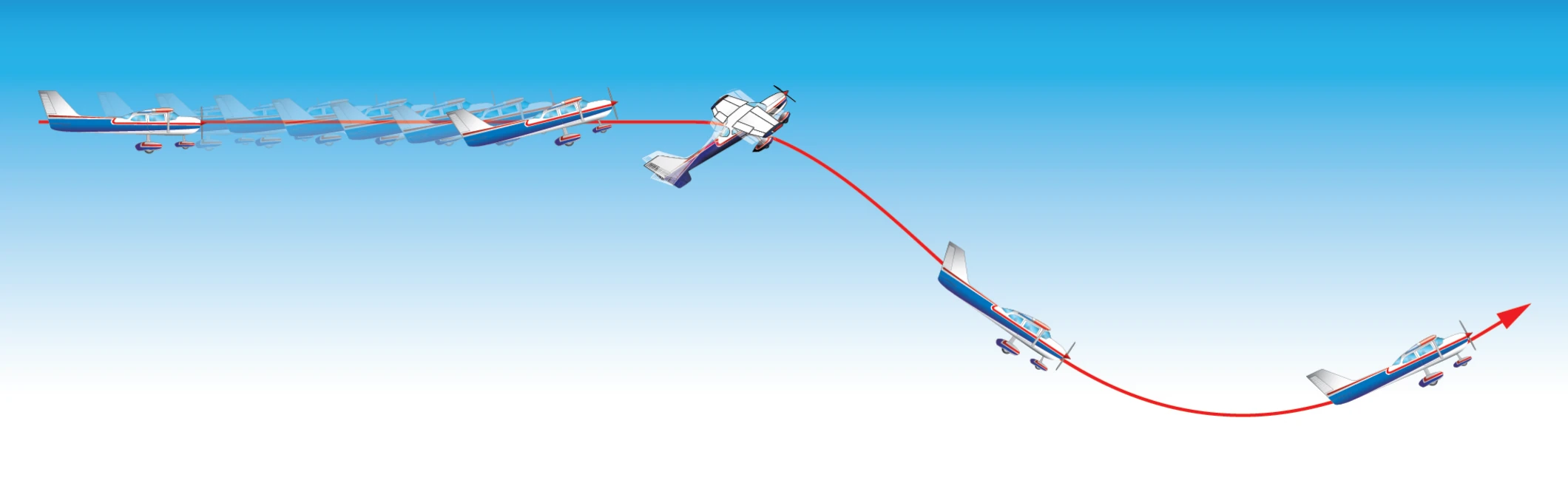
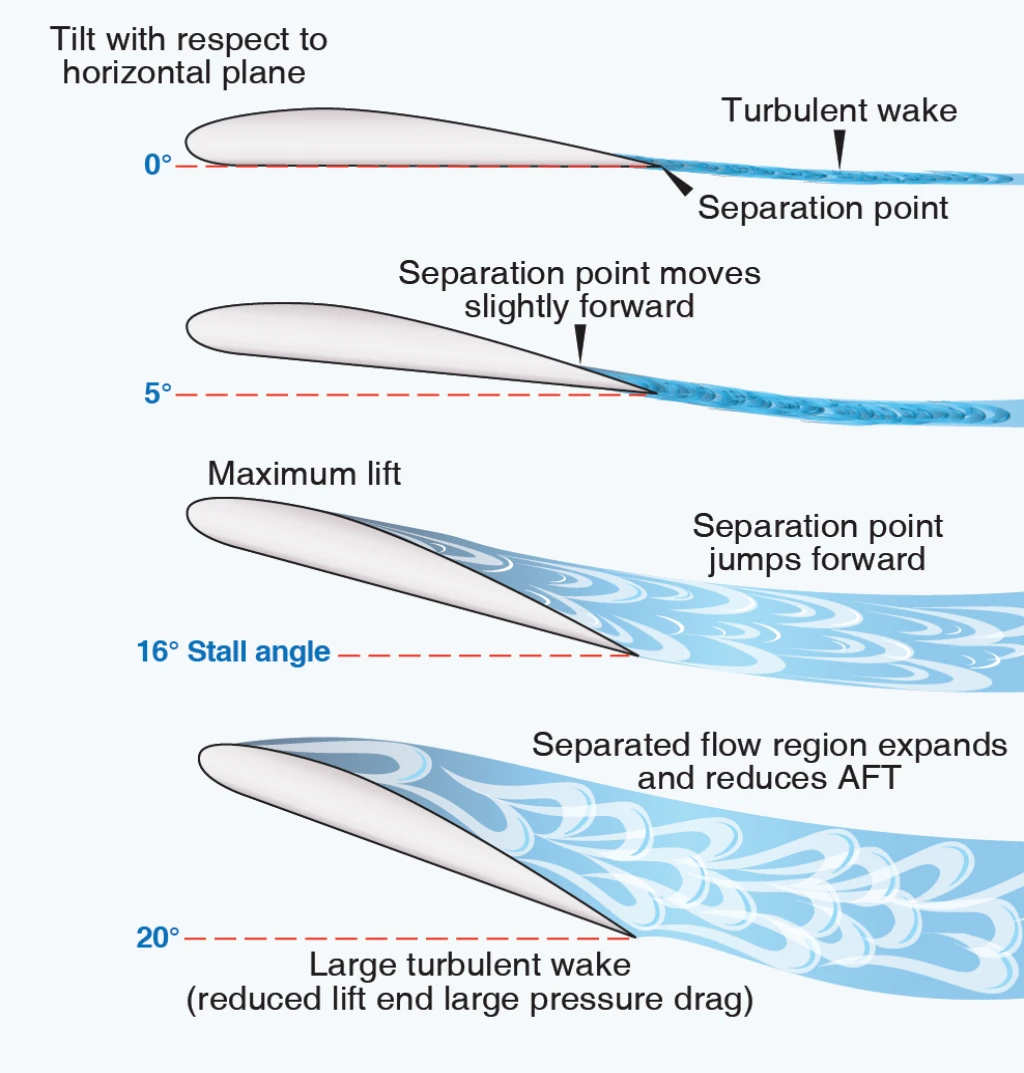
The flight instructor should emphasize that low speed is not necessary to produce a stall. The wing can be brought to an excessive AOA at any speed. High pitch attitude is not an absolute indication of proximity to a stall. Some airplanes are capable of vertical flight with a corresponding low AOA. Most airplanes are quite capable of stalling at a level or near level pitch attitude.
The key to stall awareness is the pilot’s ability to visualize the wing’s AOA in any particular circumstance, and thereby be able to estimate his or her margin of safety above stall. This is a learned skill that should be acquired early in flight training and carried through the pilot’s entire flying career.
The pilot should understand and appreciate factors such as airspeed, pitch attitude, load factor, relative wind, power setting, and aircraft configuration in order to develop a reasonably accurate mental picture of the wing’s AOA at any particular time. It is essential to safety of flight that pilots take into consideration this visualization of the wing’s AOA prior to entering any flight maneuver. Chapter 3, Basic Flight Maneuvers, discusses stalls in detail.
Use of Checklists
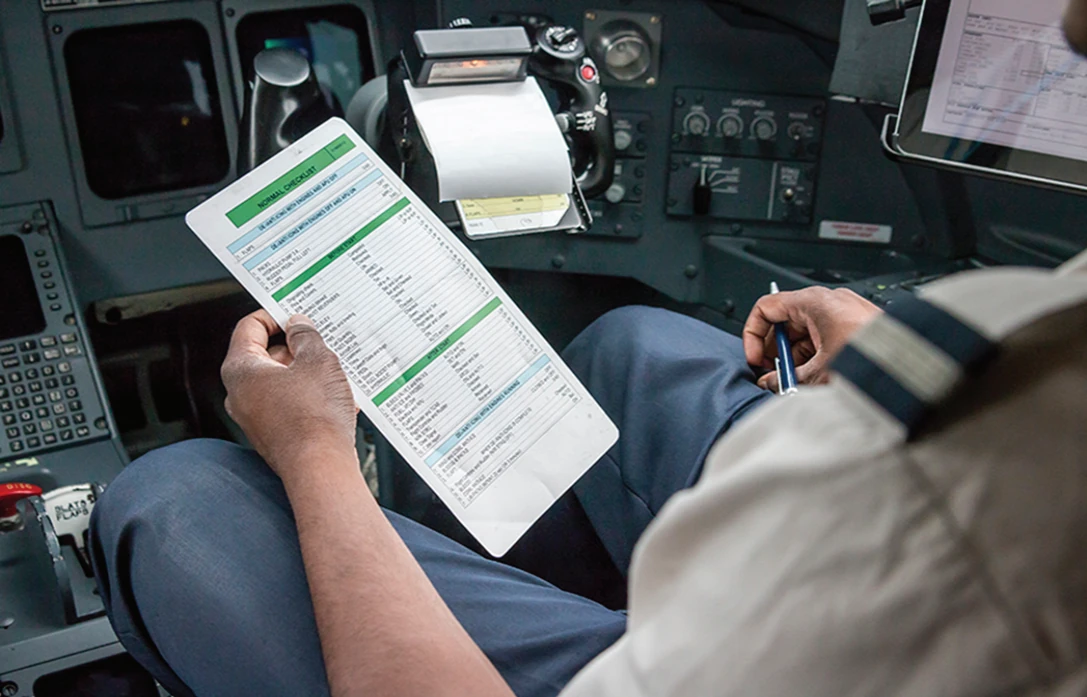
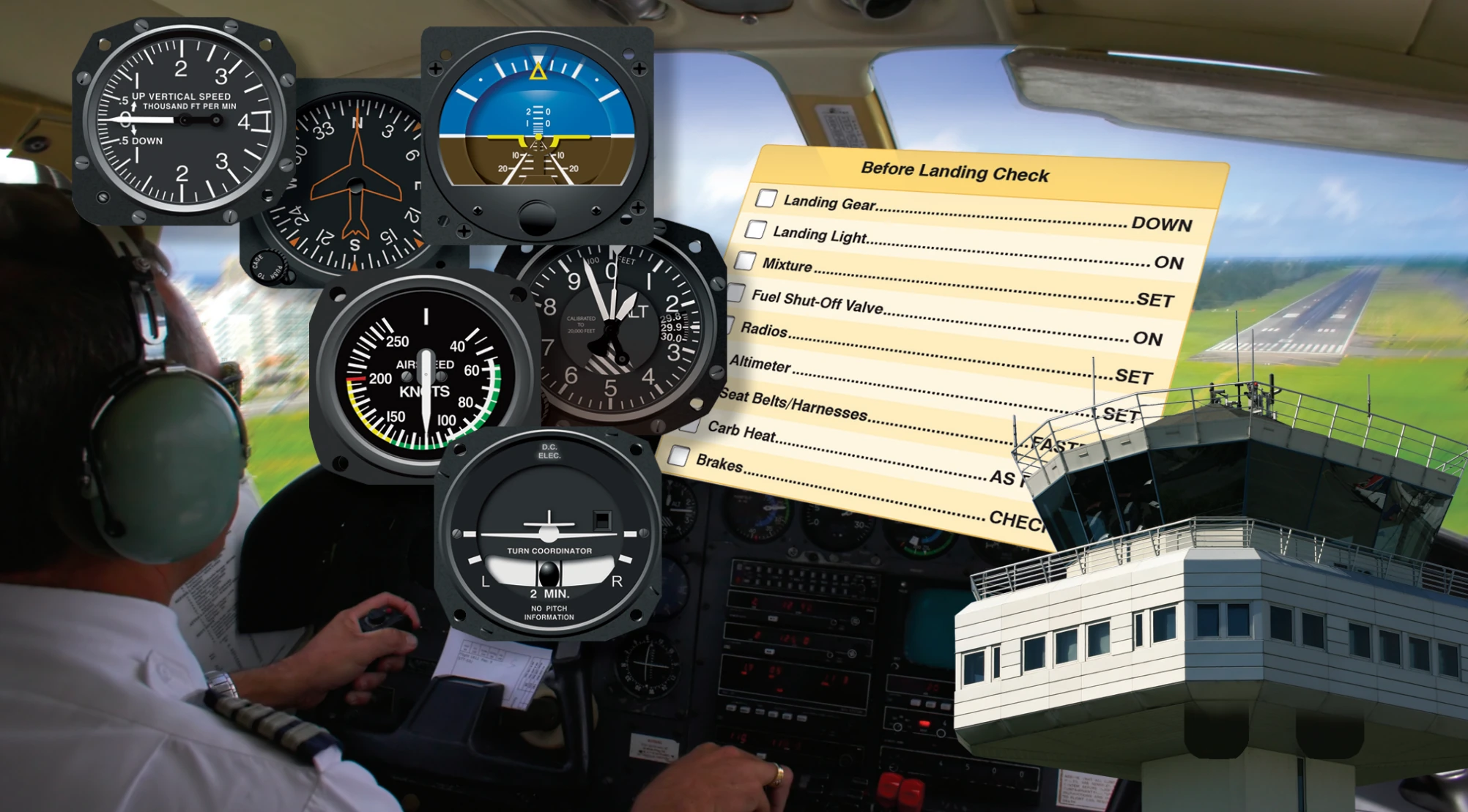
The importance of consistent use of checklists cannot be overstated in pilot training. A major objective in primary flight training is to establish habit patterns that will serve pilots well throughout their entire flying career. The flight instructor should promote a positive attitude toward checklist usage, and the learner should realize its importance. At a minimum, prepared checklists should be used for the following phases of flight: [Figure 1-17]
- Preflight inspection
- Before engine start
- Engine starting
- Before taxiing
- Before takeoff
- After takeoff
- Cruise
- Descent
- Before landing
- After landing
- Engine shutdown and securing