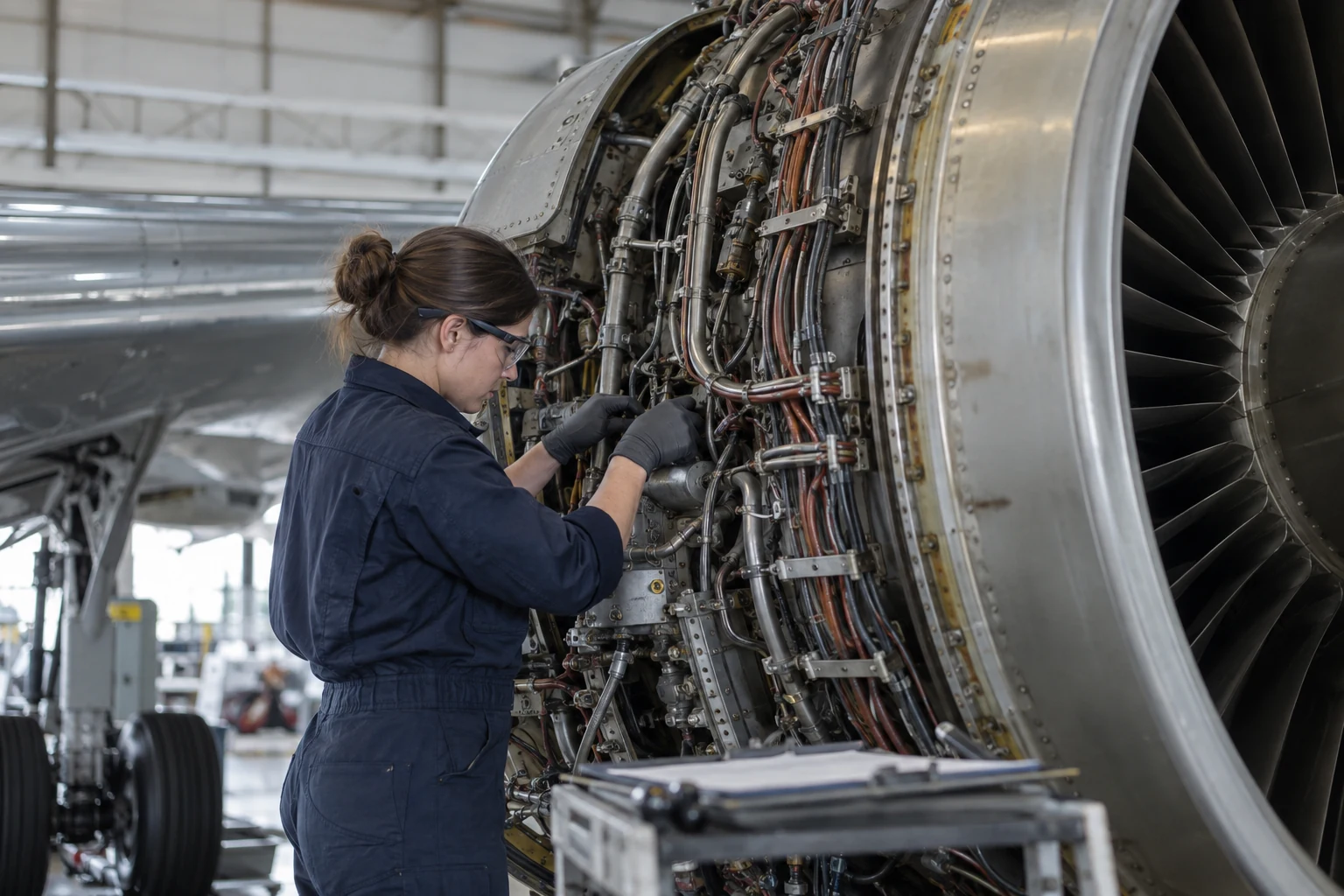
Fire Detection and Suppression in Turbine Aircraft
Turbine-aircraft fire systems use detectors, warning logic, shutoff functions, and extinguishing agents that must be understood as an integrated aircraft-s...
Read article
Explore aviation training content, pilot guides, flight planning explanations, safety topics, navigation lessons, weather resources, and aviation fundamentals for students, pilots, instructors, and aviation enthusiasts.
Fresh aviation learning content and pilot-focused resources. Showing page 3 of 38.
Turbine-aircraft fire systems use detectors, warning logic, shutoff functions, and extinguishing agents that must be understood as an integrated aircraft-s...
Read article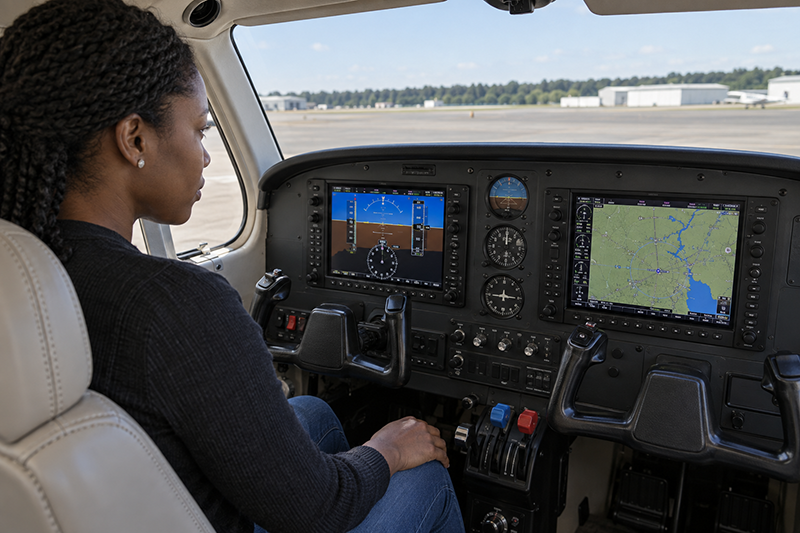
Modern flight displays combine attitude and heading reference, air-data, and magnetic information, making sensor knowledge and reversionary cross-checks cr...
Read article
Swept wings delay compressibility effects at high speed but introduce structural, drag, spanwise-flow, and low-speed handling tradeoffs. Sweep helps high-s...
Read article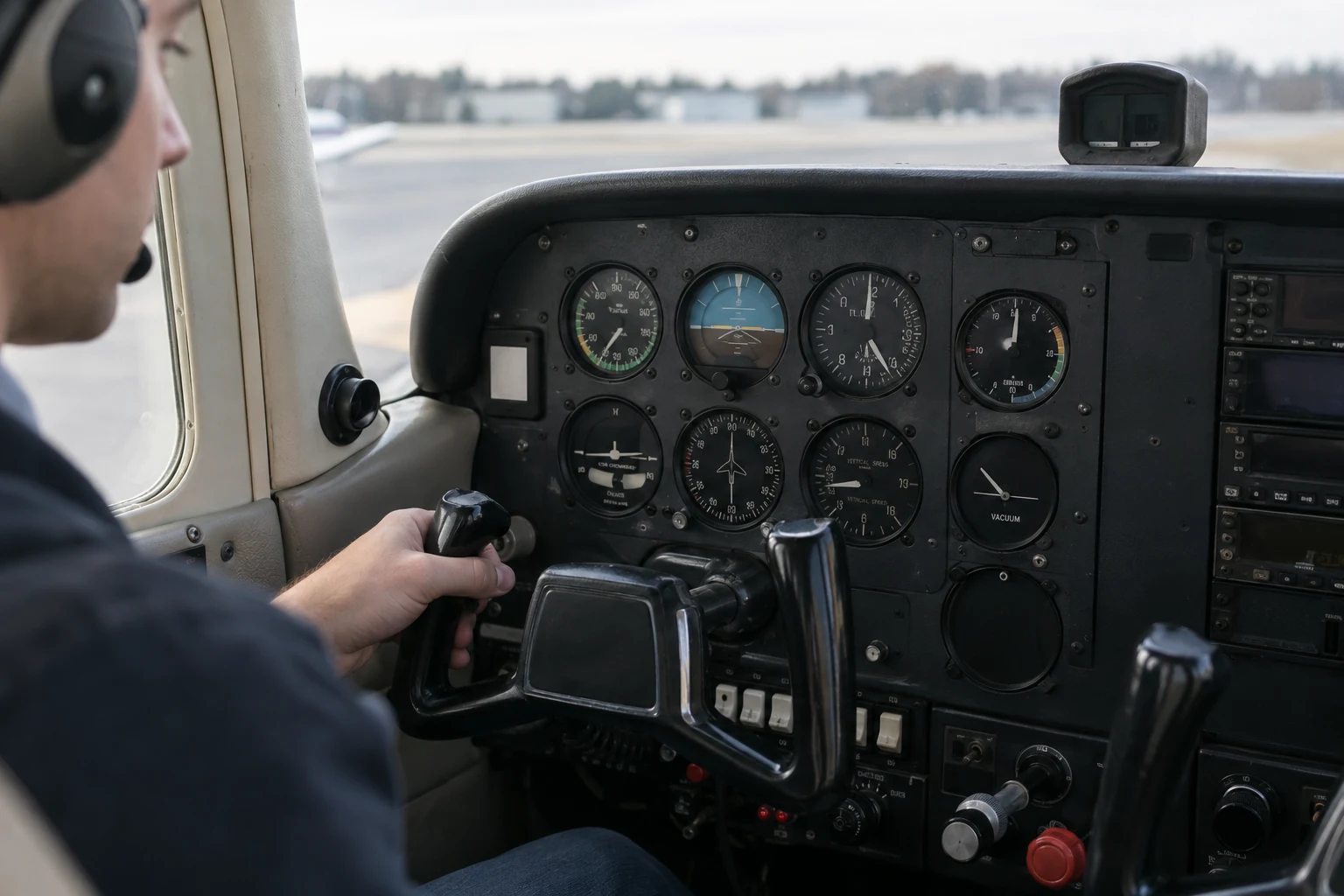
Vacuum-system failures can degrade attitude and heading instruments gradually, making cross-check, suction indications, and partial-panel proficiency essen...
Read article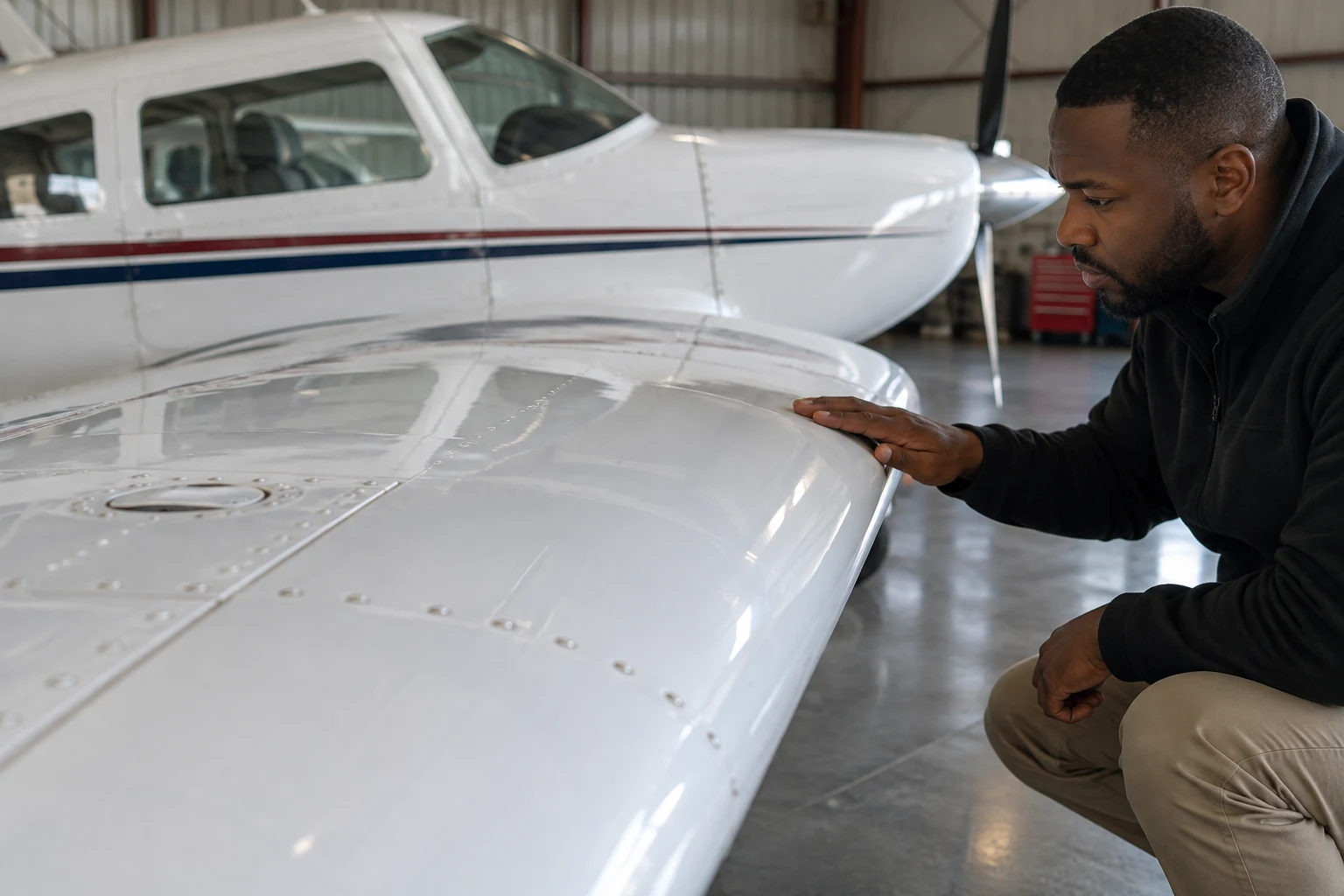
Laminar and turbulent boundary layers behave differently around skin friction, energy, and separation, yet practical pilot decisions still center on contam...
Read article
Load factor explains why steep turns demand more lift and why an accelerated stall can occur at an airspeed above the published one-g stall speed. A steepe...
Read article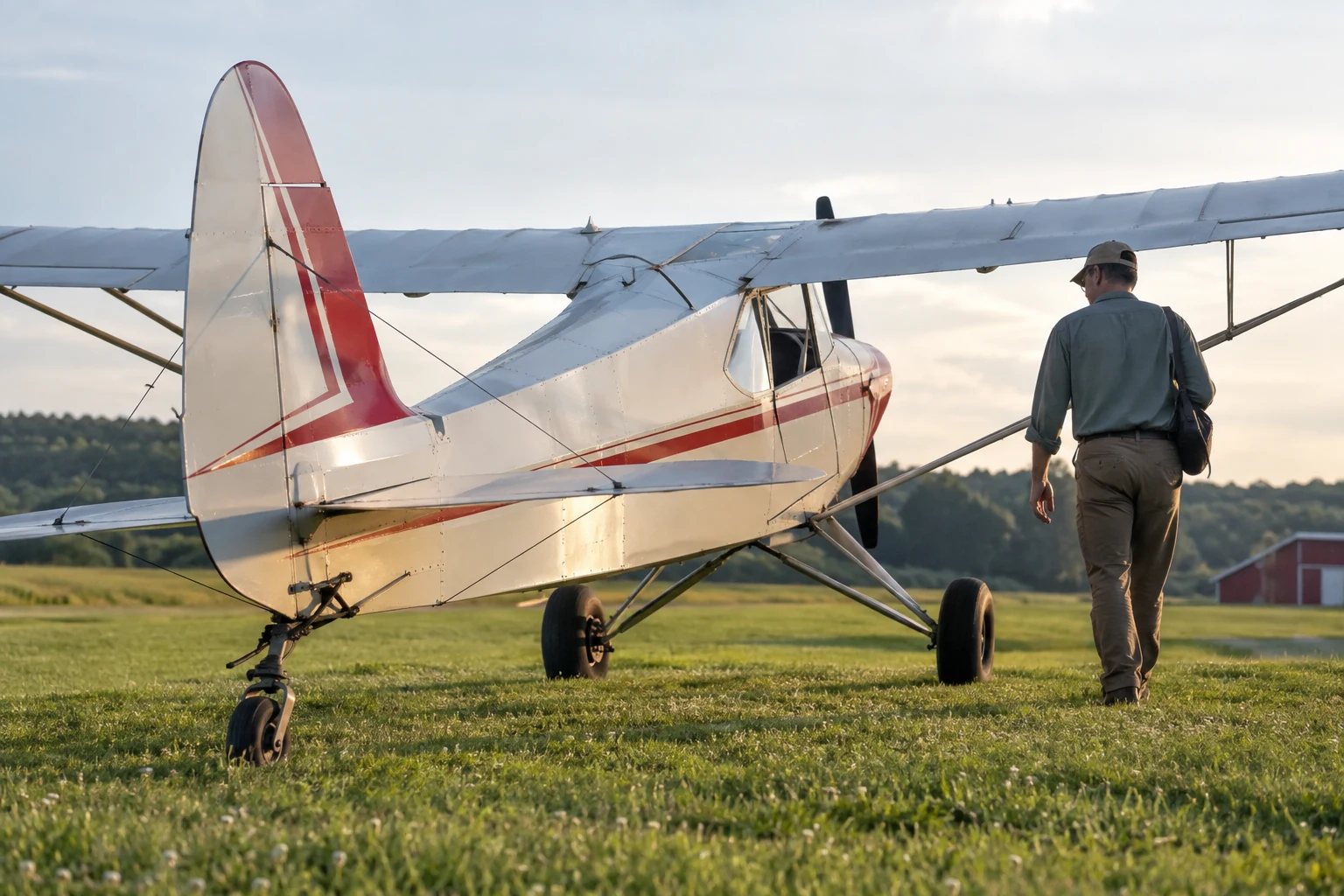
Tailwheel training sharpens directional control, rudder coordination, wind correction, energy management, and awareness through touchdown and rollout. Tail...
Read article
Seaplane training introduces water handling, step taxi, glassy-water and rough-water techniques, docking, beaching, and environment-specific decision-makin...
Read article
Retention improves when pilots review promptly, chair-fly procedures, retrieve knowledge from memory, and return to training at reasonable intervals. What ...
Read article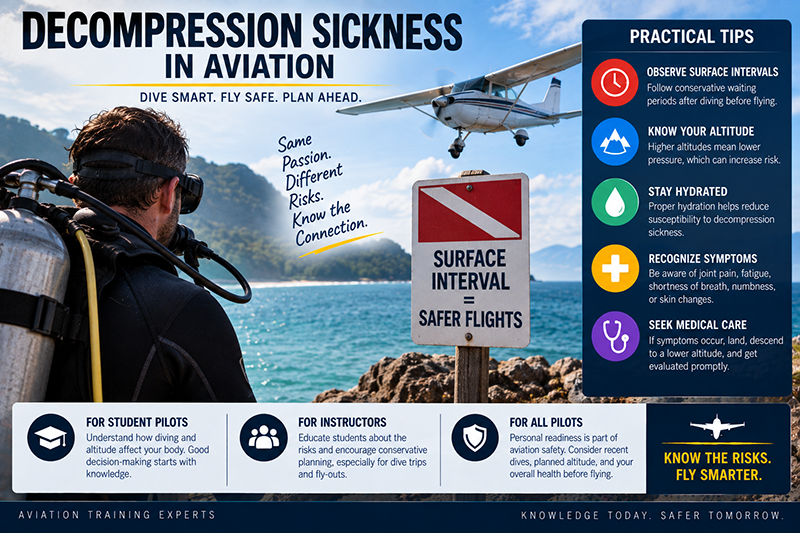
Decompression sickness in aviation can affect pilots after scuba diving or altitude exposure. Learn the risks, symptoms, planning factors, and safer choice...
Read article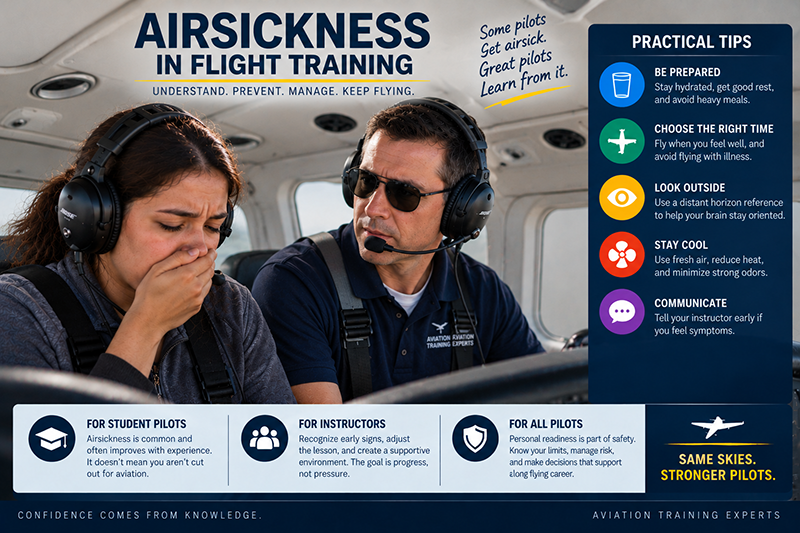
Airsickness in flight training can be managed with preparation, smart instructor techniques, early communication, and a practical recovery plan.
Read article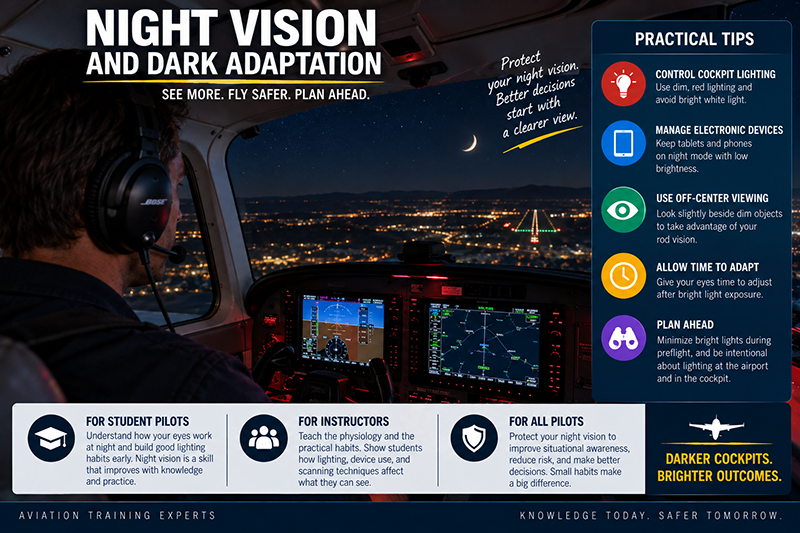
Night vision and dark adaptation affect how pilots see traffic, terrain, runways, and cockpit displays. Learn practical habits for safer night flying.
Read articleAviation Training Experts articles are designed to make aviation topics easier to understand. Use these guides alongside flight training, aviation calculators, and reference tools to build practical knowledge for study, planning, and aviation decision-making.