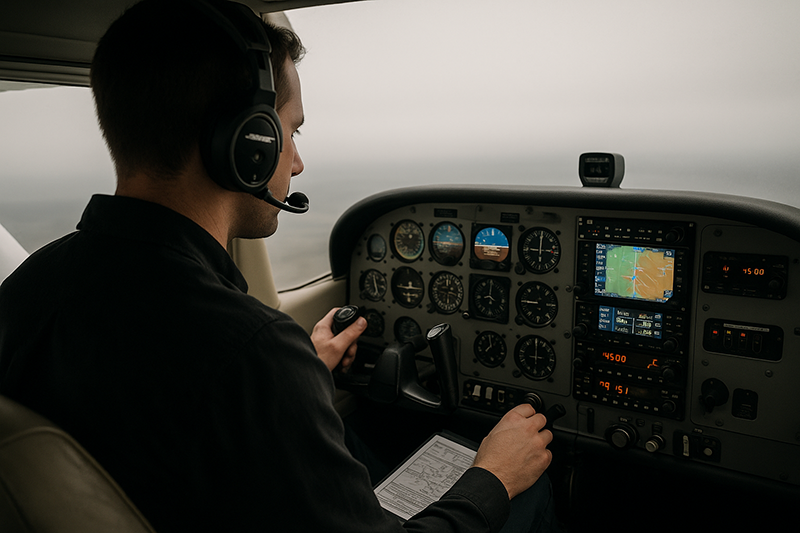
IFR Task Management Strategies for Safer Flying
Learn practical IFR task management strategies for cockpit organization, workload control, automation use, communication, and safer instrument flying.
Read article
Explore aviation training content, pilot guides, flight planning explanations, safety topics, navigation lessons, weather resources, and aviation fundamentals for students, pilots, instructors, and aviation enthusiasts.
Fresh aviation learning content and pilot-focused resources. Showing page 12 of 38.
Learn practical IFR task management strategies for cockpit organization, workload control, automation use, communication, and safer instrument flying.
Read article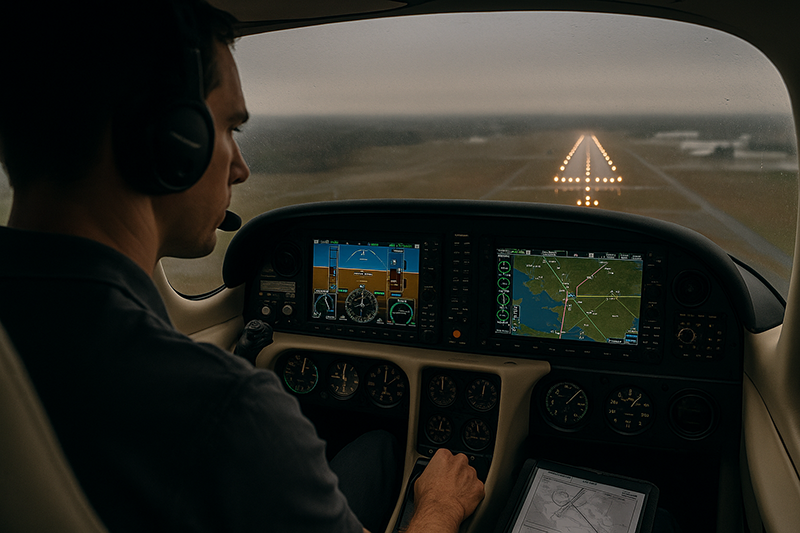
Learn how to stay ahead of the aircraft during approaches with better briefing, energy management, automation use, stabilized approach thinking, and go-aro...
Read article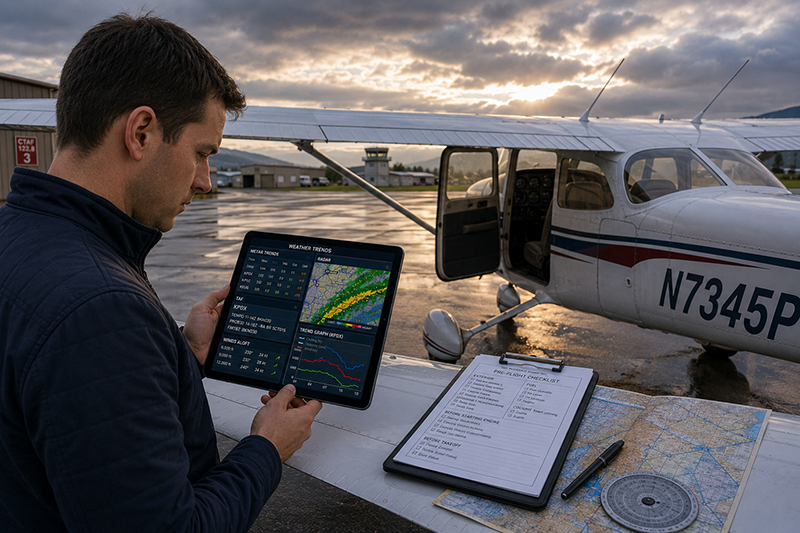
Learn how to detect weather trends before departure by comparing METARs, TAFs, radar, satellite, winds aloft, and PIREPs for safer flight planning.
Read article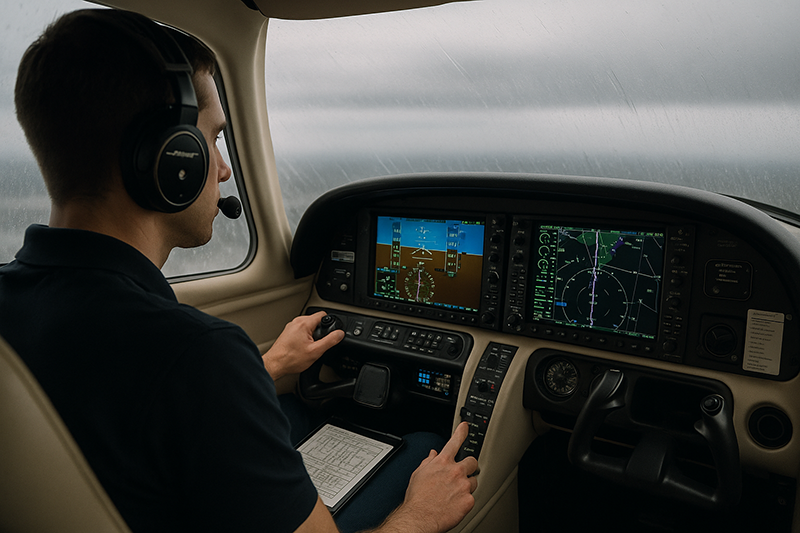
Managing workload during busy IFR flights starts with planning, prioritization, cockpit discipline, and knowing when to slow the situation down.
Read article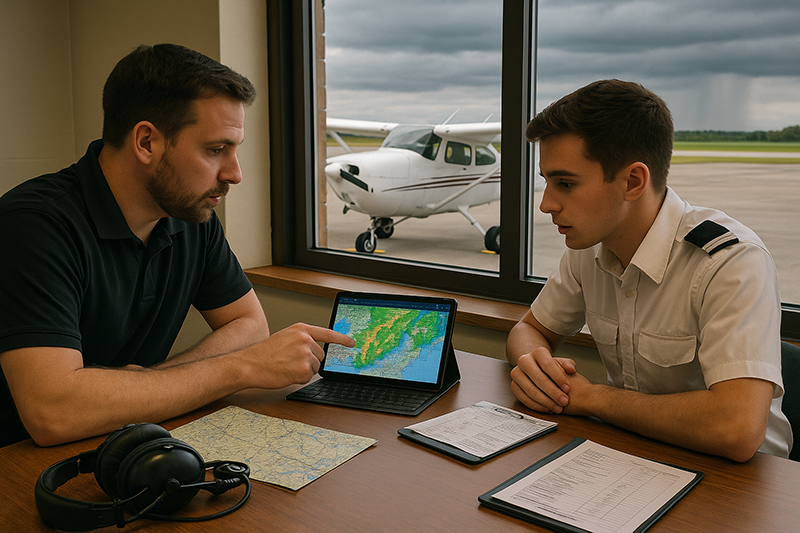
Build better weather briefing habits with practical guidance for pilots on route planning, forecast uncertainty, common mistakes, and safer go/no-go decisi...
Read article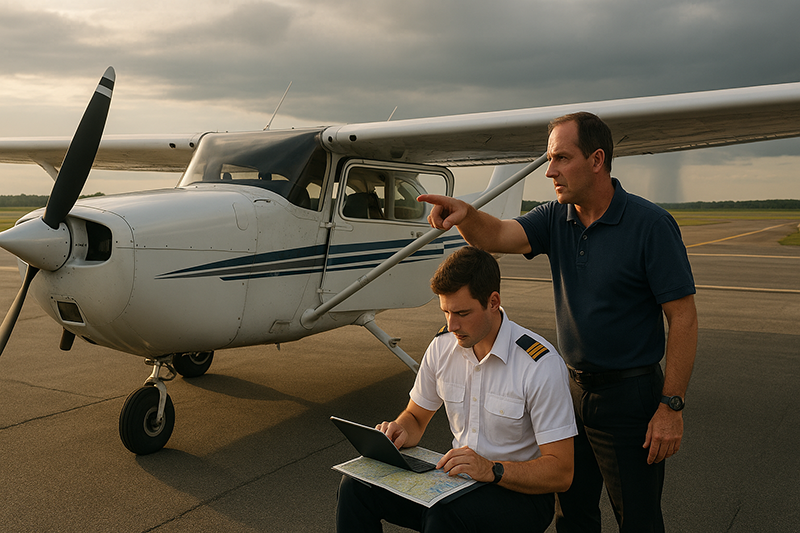
Weather decision-making for short cross-country flights helps pilots evaluate ceilings, visibility, wind, trends, and diversion options before risk builds.
Read article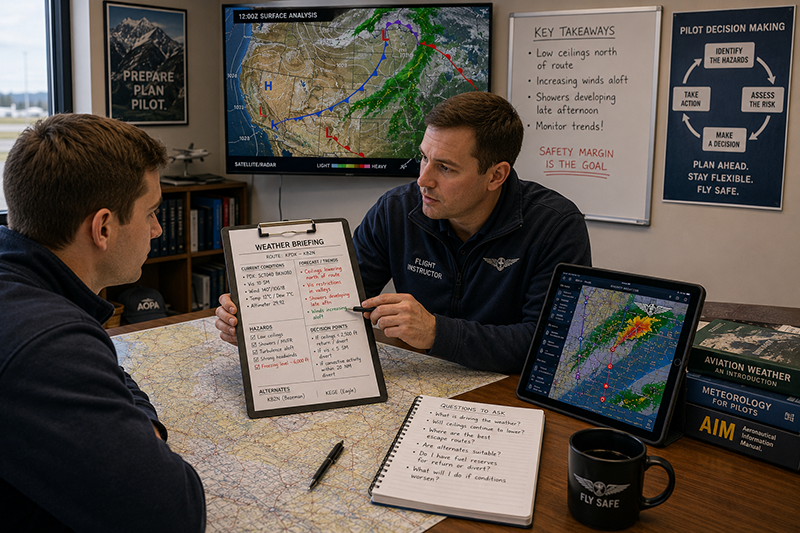
Learn how pilots can identify weather information that deserves extra attention, compare aviation weather products, and make safer go/no-go decisions.
Read article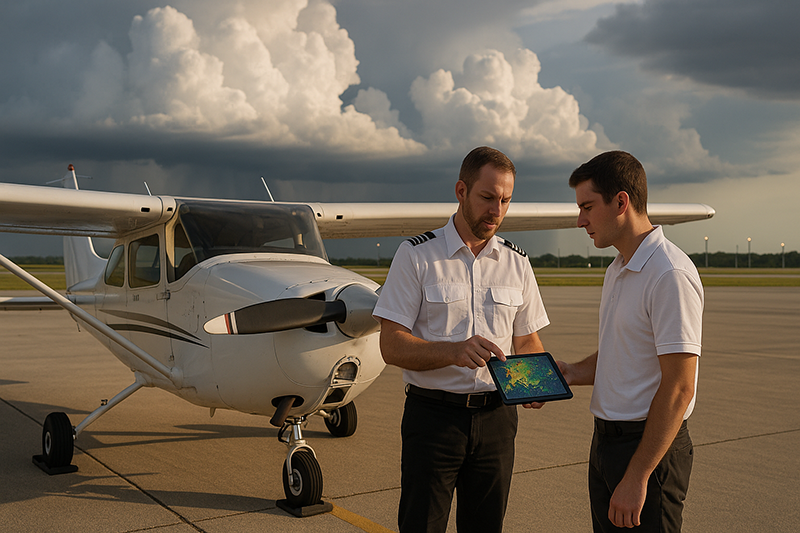
Learn how to evaluate thunderstorm risk along a route using forecasts, radar, satellite trends, timing, alternates, and practical pilot judgment.
Read article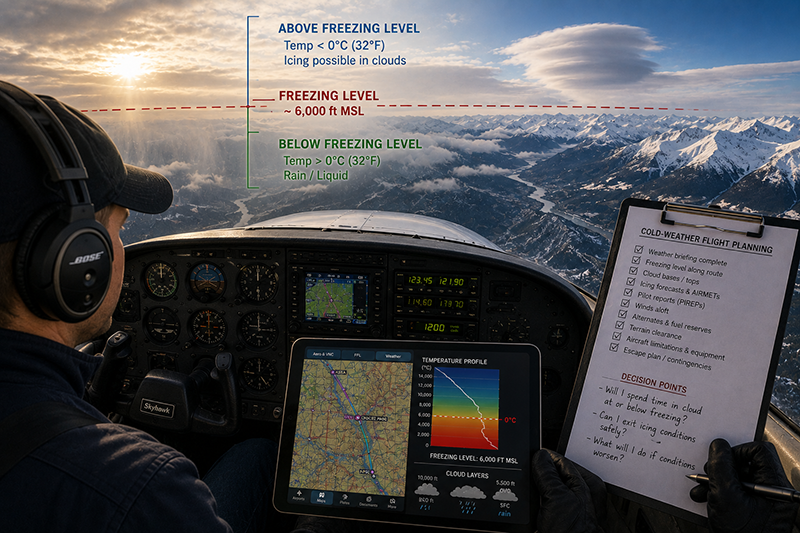
Freezing levels in flight planning help pilots evaluate icing risk, cloud layers, altitude choices, and escape options before cold-weather flights.
Read article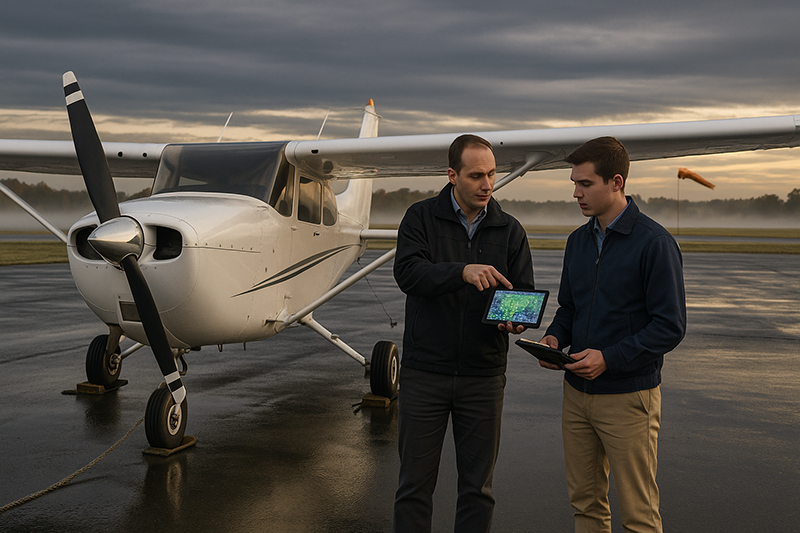
Weather risks during seasonal transitions can challenge pilots with fronts, fog, gusty winds, icing potential, and fast-changing ceilings.
Read article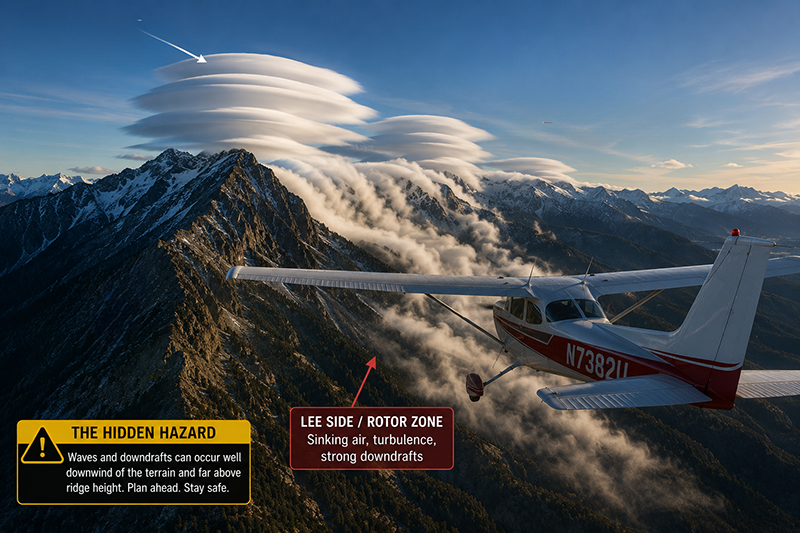
Mountain wave turbulence can create strong downdrafts, rotor turbulence, and hidden risk for GA pilots. Learn how it forms and how to plan safer flights.
Read article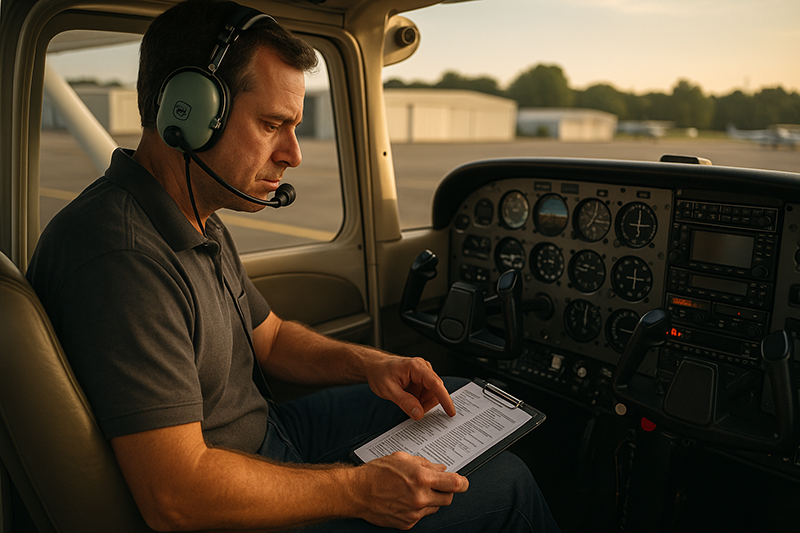
Pilot complacency can develop quietly as experience, routine, and repeated success reduce vigilance. Learn how to recognize and prevent it.
Read articleAviation Training Experts articles are designed to make aviation topics easier to understand. Use these guides alongside flight training, aviation calculators, and reference tools to build practical knowledge for study, planning, and aviation decision-making.